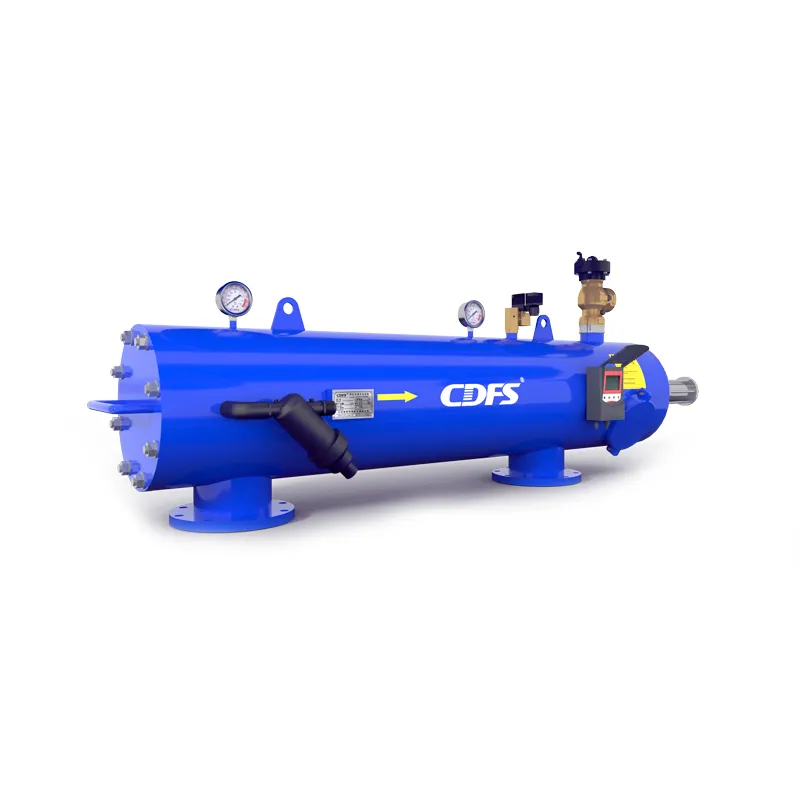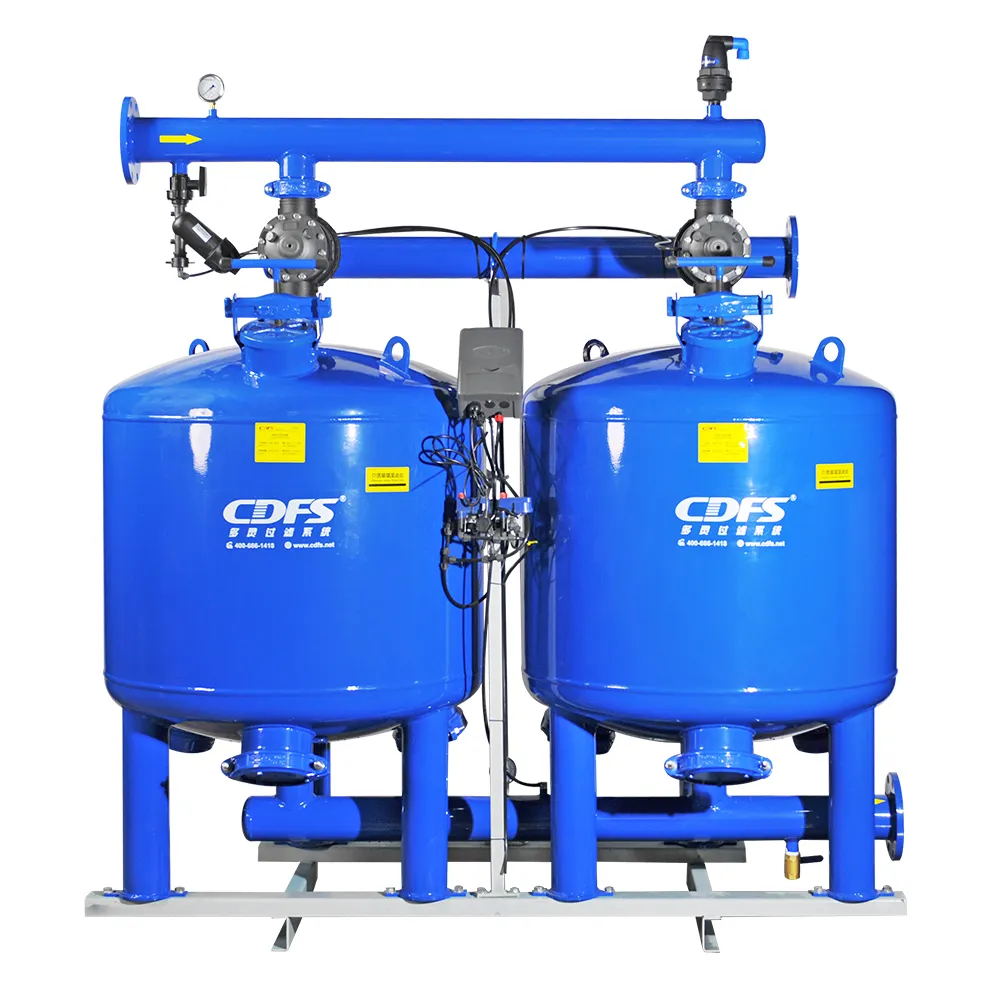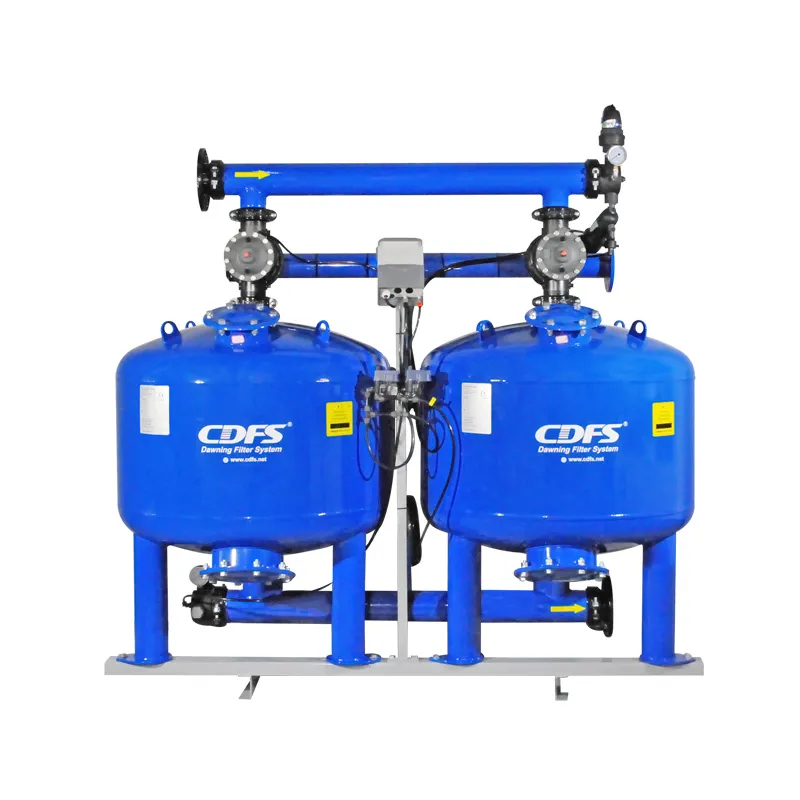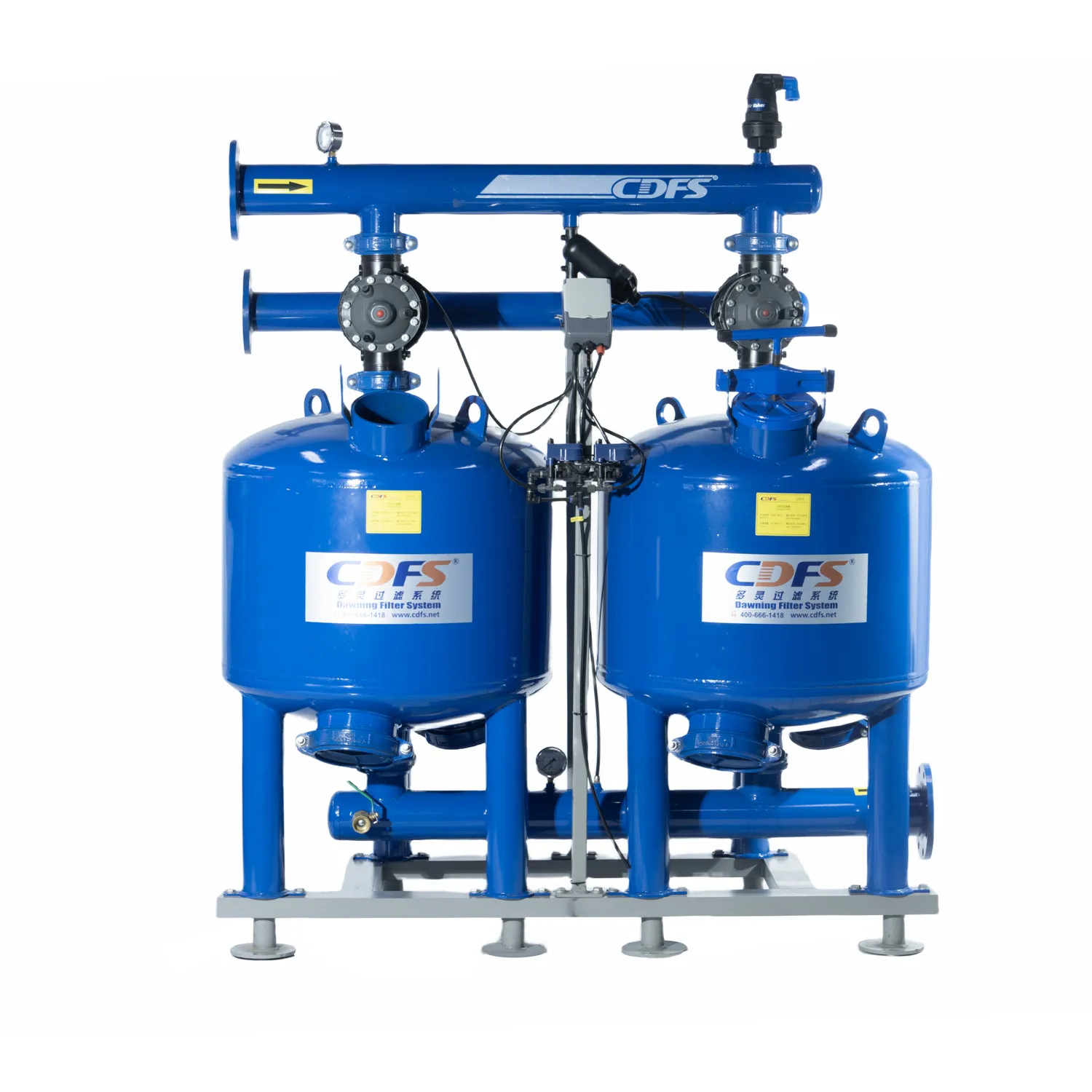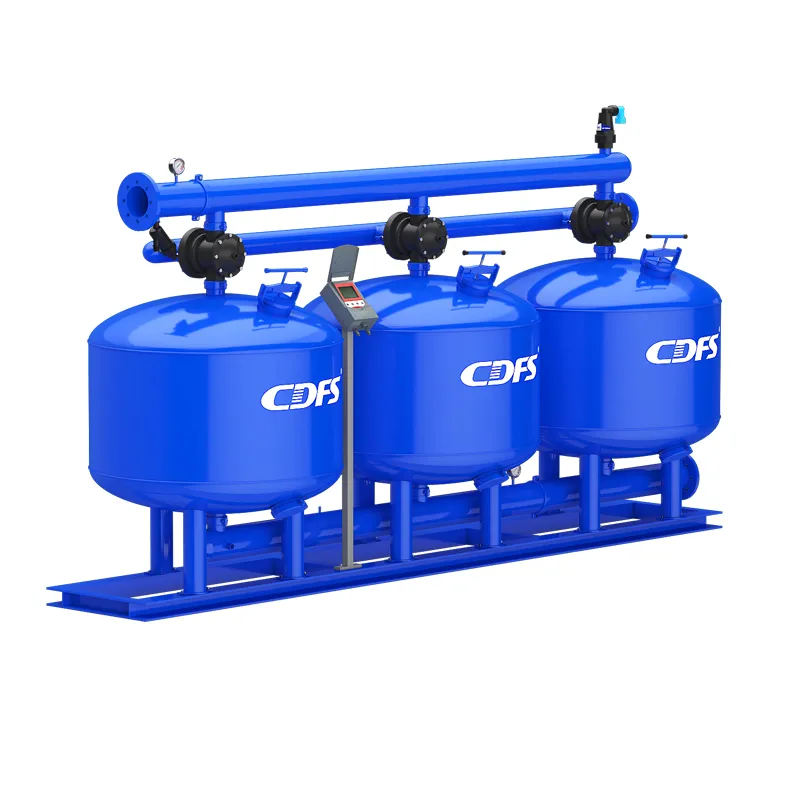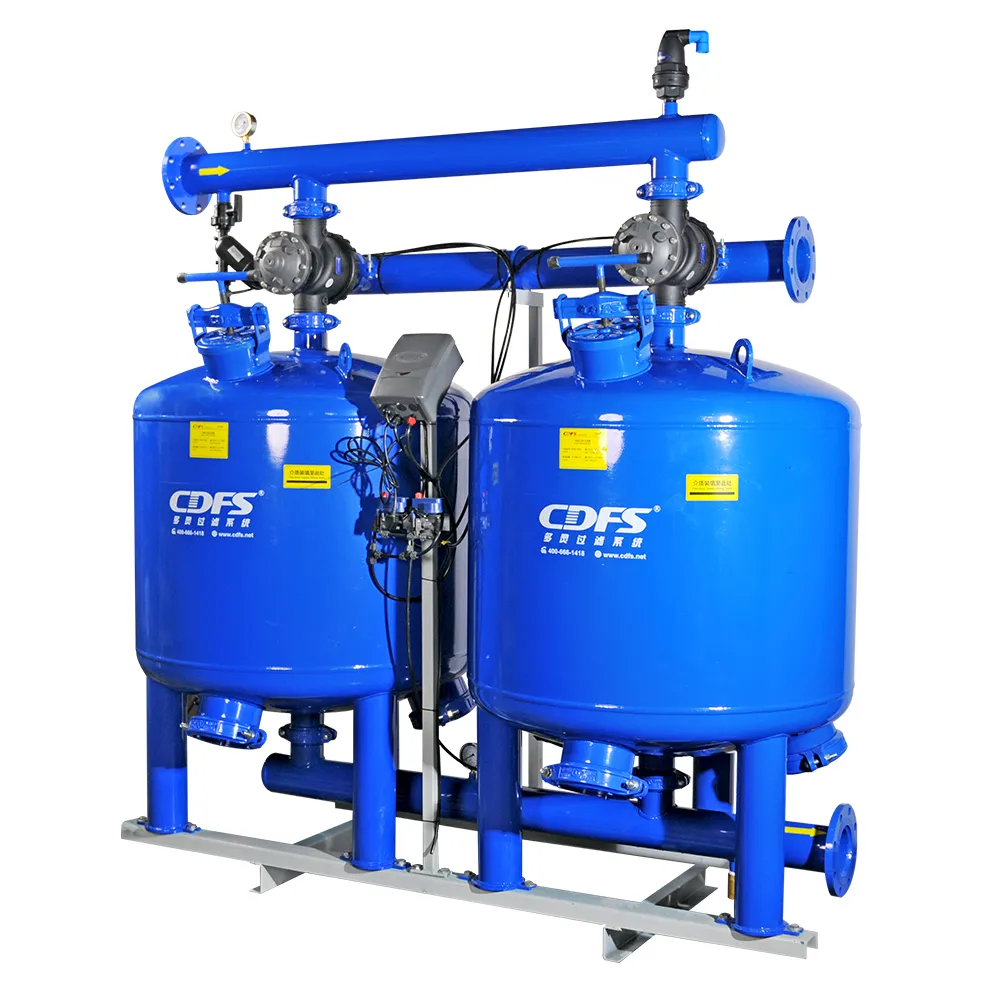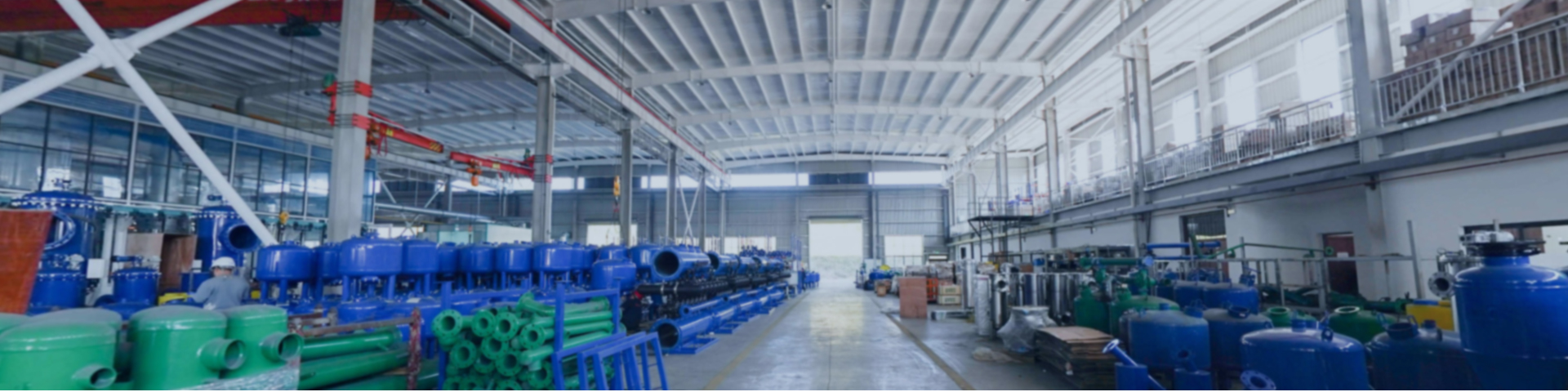
multi-screen filtration unit factory contribute to environmental sustainability by implementing waste reduction and energy-efficient production techniques. Factories recycle metal scraps and minimize excess material use during fabrication. Energy-efficient machinery lowers power consumption throughout manufacturing. These practices support greener production of automatic screen filters, aligning with the increasing environmental awareness in agriculture and industry.
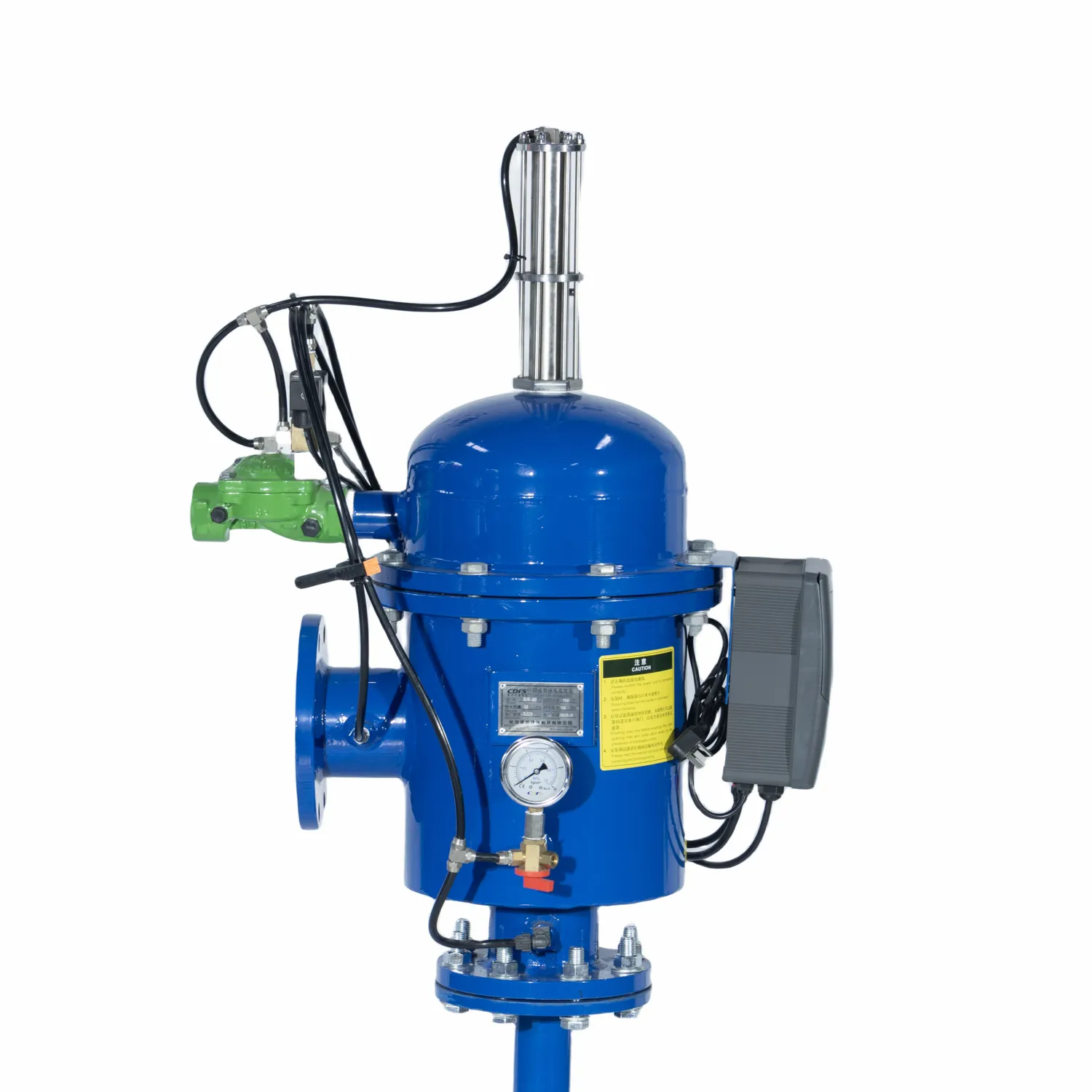
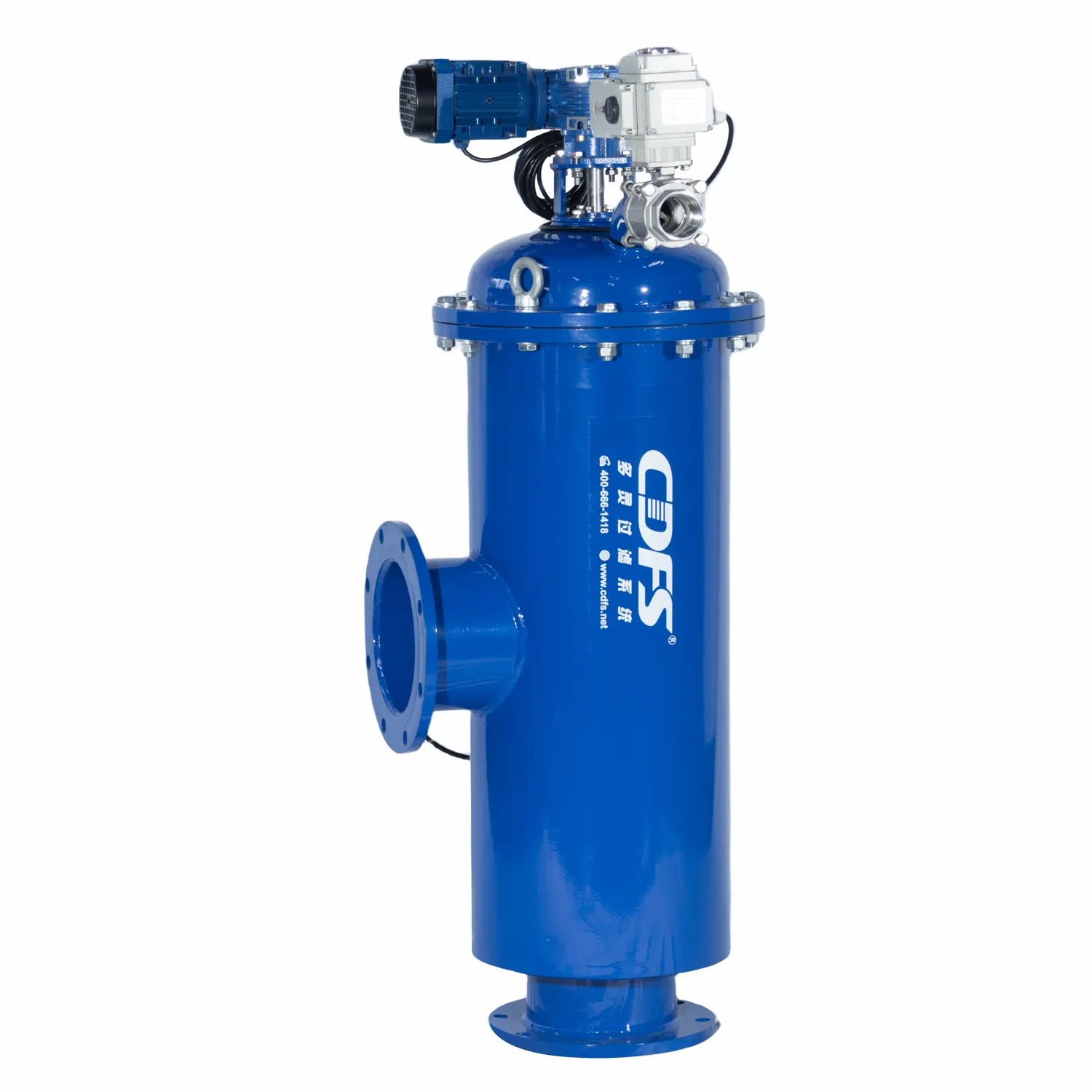
In a multi-screen filtration unit factory, motor and control system assembly is critical for the automatic cleaning function. Precision installation ensures the motor drives screen rotation or backflushing mechanisms smoothly. The factory tests motor torque and timing controls extensively to avoid failures during field use. Quality electric components are sourced to maintain consistent power supply and reduce maintenance needs. These efforts help automatic screen filters sustain effective debris removal without manual intervention.
Q: What makes filters produced by an Automatic screen filter factory different from conventional filters? A: Filters made by an Automatic screen filter factory are designed to operate without manual intervention. These automatic screen filters use differential pressure sensors to detect clogging and trigger a self-cleaning cycle, maintaining uninterrupted filtration without downtime. Q: What filtration range can be achieved by systems produced in an Automatic screen filter factory? A: An Automatic screen filter factory can manufacture filters with screen elements ranging from 50 to 800 microns, allowing users to choose based on specific water quality and application needs. Fine screens capture sand, silt, and other debris efficiently. Q: How do filters from an Automatic screen filter factory handle high-flow systems? A: Filters produced by an Automatic screen filter factory are engineered with reinforced housings and high-capacity screen areas, making them suitable for high-flow agricultural or industrial systems. Their robust design ensures consistent performance under pressure. Q: What is the advantage of the automatic self-cleaning mechanism in filters from an Automatic screen filter factory? A: The self-cleaning system uses suction nozzles or brushes to remove debris from the screen without stopping the filtration process. This automation, a hallmark of filters from an Automatic screen filter factory, greatly reduces labor and maintenance costs. Q: Are materials used in filters from an Automatic screen filter factory corrosion-resistant? A: Yes, an Automatic screen filter factory typically manufactures its products using stainless steel or high-grade polymers to resist corrosion from chemicals or saline water, ensuring long service life and dependable operation in harsh environments.
Very effective at removing impurities between 50-500 microns. The water flow remains consistent, and the filter is easy to operate with minimal downtime.
The stacked discs provide very precise filtration, which has noticeably improved our water quality. Our irrigation system runs smoother and equipment lasts longer.
To protect the privacy of our buyers, only public service email domains like Gmail, Yahoo, and MSN will be displayed. Additionally, only a limited portion of the inquiry content will be shown.
What’s the maximum flow rate for your automatic disc filters?
Is it possible to customize disc size and groove depth for different filtration precision? We have v...



 EN
EN
 FR
FR
 NL
NL
 RU
RU
 AR
AR
 VI
VI
 LO
LO
 RO
RO
 TH
TH
 MY
MY
 MS
MS
 PT
PT
 ES
ES
 KO
KO
 BE
BE
 JA
JA
 FIL
FIL
 KA
KA
 DE
DE
 IT
IT